|
If you are having problems viewing this email, click here.
|
|
|
|
|
| August 2026 |
|
|
|
|
This issue of SeepSync spotlights major technical breakthroughs reshaping cold seep and deep-sea research. From an in situ Raman scattering sensor revealing cyanide’s role in nitrogen cycling, to the affordable autonomous DeepZoo sampler, and a coupled system simulating methane dynamics and seep evolution, these advances open powerful new windows into deep-ocean processes.
Subscribe to our newsletter and catch our next wave of updates!
Please drop us a note at hkogml@ust.hk, if you wish to share your achievements, news or any updates in our next issue.
|
|
|
|
| Research Highlight |
|
|
|
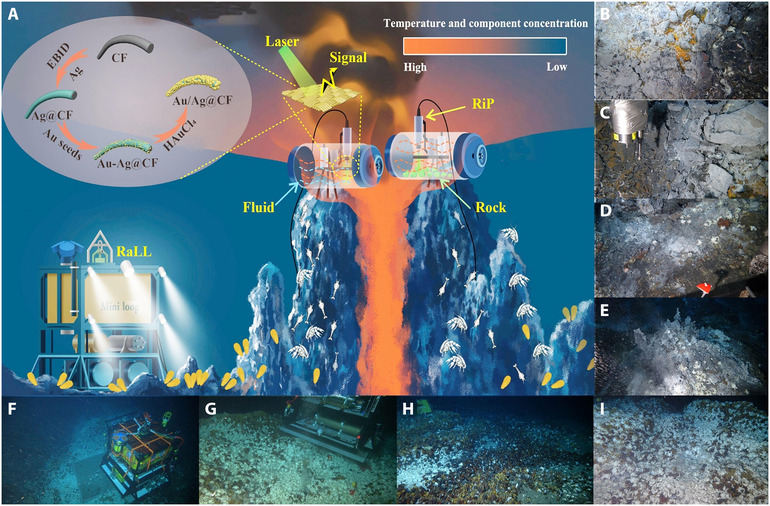
In situ deep-sea surface-enhanced Raman scattering sensor reveals cyanide as a key factor in cold seep nitrogen cycling
Siyu Wang et al. present a breakthrough deep-sea sensing approach for detecting nitrogen-fixation-related compounds directly in cold seep environments. Using a newly developed in situ surface-enhanced Raman scattering sensor, the researchers achieved stable detection under extreme deep-sea conditions, including temperatures above 350°C and depths greater than 2000 m, with a detection limit below 10-7M. At a cold seep, the sensor detected cyanide -CNat concentrations above 5.7 μM, providing rare in situ evidence for an energy-efficient nitrogen fixation pathway in seep microbial communities. Gradient measurements further suggest that cyanide may function as a microbial “circulating currency,” linking carbon, nitrogen, and sulfur cycling in deep-sea ecosystems.
|
|
|
|
|
|
|
|
|
DeepZoo: A cost-effective and modular sampler for ecological studies in the deep ocean
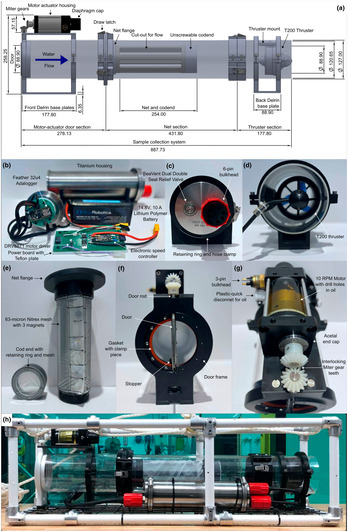
Weston J, Machado C, Kelly B et al. introduce DeepZoo, a compact, autonomous, and comparatively low-cost deep-ocean sampler designed to collect dispersive zooplankton and benthopelagic juveniles near the seafloor. Costing about US$15,500, the 6.4 kg-in-water system can operate at any ocean depth for up to 24 hours, filtering water through selectable mesh nets. Field tests at the East Pacific Rise hydrothermal vents and Argentina’s Mar del Plata Submarine Canyon included 12 deployments between 878 and 3780 m using landers, HOV Alvin, and ROV SuBastian. DeepZoo recovered organisms from 20 taxonomic groups, suitable for morphological and molecular analyses, making it a valuable tool for deep-sea biodiversity and connectivity studies.
|
|
|
|
|
|
|
|
Chemosynthesis affects benthopelagic trophic coupling and biodiversity in a deep-sea cold seep off Argentina (Southwestern Atlantic Ocean)
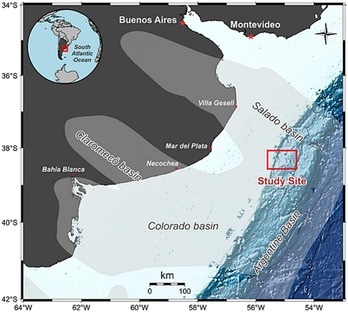
Bravo ME, Tassone AA, Principi S et al. describe the newly proposed Salado Pockmark Field, a methane-seep-associated area covering more than 400 km² in the SW Atlantic. Their study shows that an active pockmark can reshape deep-sea benthic communities and food-web structure. Compared with a nearby control site, the active pockmark had lower organism densities but higher species evenness, with polychaetes and agglutinated foraminifera dominating while peracarid crustaceans were largely absent. Isotopic analyses revealed broader trophic niches, lighter δ¹³C and δ¹⁵N values, and weaker benthic–pelagic coupling, suggesting mixed chemosynthetic and photosynthetic energy inputs. The findings highlight pockmarks as important biogeochemical and biodiversity hotspots.
|
|
|
|
|
|
|
|
Widespread Association of Ciliates Colonizing Gills of Shrimps Inhabiting Vents and Seeps Across the Pacific Ocean
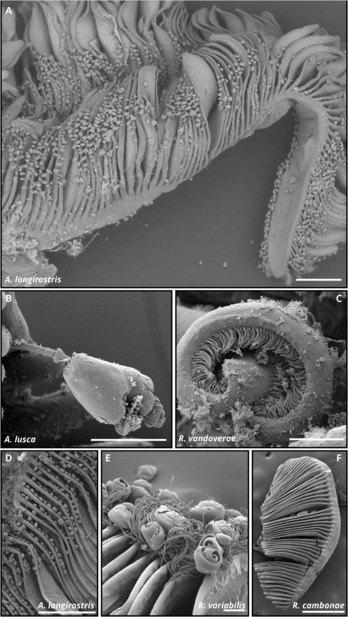
Hey L, Chen C, Xu T et al. reveal previously overlooked associations between ciliates and deep-sea shrimps in chemosynthesis-based ecosystems. Using scanning electron microscopy and 18S rDNA barcoding, the study examined ciliate epibionts on alvinocaridid and thorid shrimps. The authors identified a widespread, genetically distinct chonotrichian ciliate lineage colonizing alvinocaridid gills, extending this group’s known range from freshwater and coastal habitats to depths of 3388 m. Ciliate populations showed geographic divergence across the Pacific but were not structured by host species, suggesting a facultative association. Thorid shrimps hosted rarer, more diverse ciliates, including lineages related to parasites, sometimes associated with blackened gills.
|
|
|
|
|
|
|
|
Nitrate/nitrite-driven methane oxidation enhanced N2O production in marine cold seeps
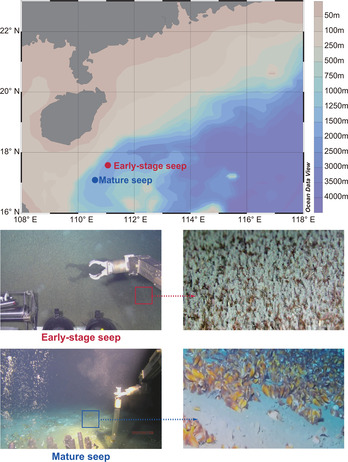
Sui W, Deng L, Wu B et al. show that methane filtering in cold seeps changes during ecosystem development. In an early-stage, polychaete-dominated seep in the South China Sea, nitrate/nitrite-coupled methane oxidation contributed 36%–73% of total methane oxidation. In mature seep sediments, this pathway dropped to about 1%, while sulfate-coupled methane oxidation dominated. Omics analyses identified methane-oxidizing bacteria, including Methyloprofundus and QPIN01, as likely mediators in early sediments. However, these microbes lack the nosZ gene for nitrous oxide reduction, leading to increased N₂O production that may offset about 41% of methane oxidation’s climate benefit.
|
|
|
|
|
|
|
|
|
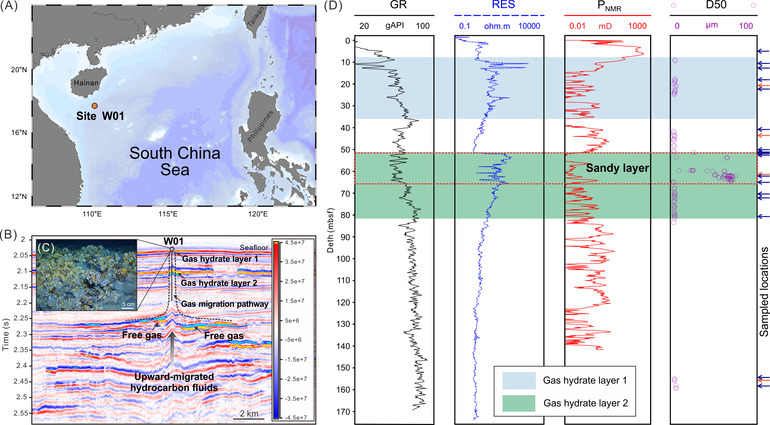
Heavy hydrocarbons buffering by subsurface gas hydrate in cold seep systems
Jia Z, Lai H, Cui N, et al. investigate how subsurface gas hydrates regulate heavy hydrocarbon migration in cold seep systems at the Qiongdongnan Basin, South China Sea . The research reveals a dual gas hydrate layer system that acts as a natural filter, controlling the upward movement of toxic heavy hydrocarbons while allowing methane to pass through.
|
|
|
|
|
|
|
|
|
Bridging energy, geology, and biosphere: a coupled experimental system for deep-sea methane dynamics and cold seep evolution
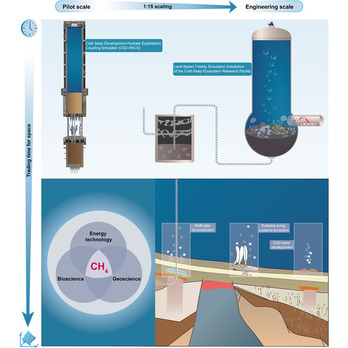
Yuan W, Feng J, Wang J et al. present a pilot-scale, cross-disciplinary experimental system for simulating the marine methane lifecycle in deep-sea cold seep settings. The modular platform links methane extraction and leakage, subsurface methane migration, hydrate behavior, and biogeochemical transformation, helping overcome the fragmented view created by separate geological, engineering, and ecological approaches. Validation experiments reproduced key processes, including simultaneous high- and low-temperature zones during depressurization, secondary hydrate formation caused by overlying water intrusion, and distinct resistivity signals linked to methane leakage. Overall, the work provides a scalable methodological framework for connecting laboratory simulations with future field-scale studies of methane dynamics, energy development, and cold seep ecosystem evolution.
|
|
|
|
|
|
| Across Our Network |
|
|
|
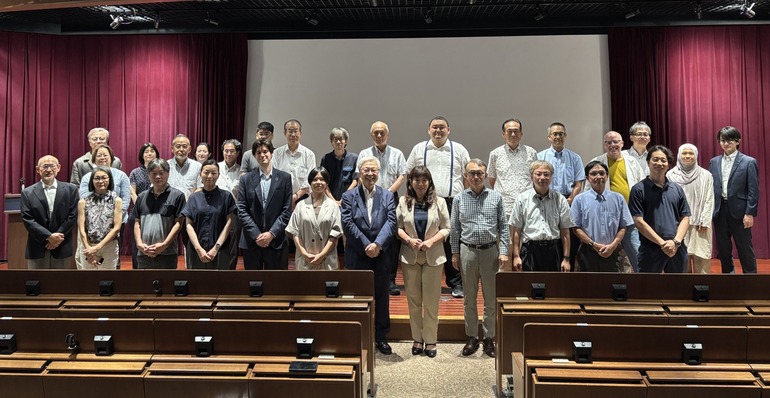
On August 22nd , a day-long UN Ocean Decade Symposium entitled “Tends in Asia, Trends in Japan” was held at Koshiba Hall, University of Tokyo. Hosted by the Japan Society of Ocean Policy and supported by the Nippon Foundation and Ocean Policy Research Institute as well as by the Sasakawa Peace Foundation, the symposium provided a valuable opportunity of representatives of endorsed Ocean Decade Programmes and Projects in Asia to share their experiences and to discuss current directions in the final four years of the UN Ocean Decade.
Glen Snyder of HKUST presented the roles that the UNESCO endorsed CliMetS and MOCSI programmes can play in our understanding of global methane seeps and of chemosynthetic communities associated with the seep environments. In addition, Professor Hitoshi Tomaru of Chiba University presented research carried out by UN Decade Project COESS and it’s impact on students and local communities. COESS is the first seep project endorsed by UNESCO and is currently integrated with the CliMetS Programme.
The Symposium was, for many who attended, the first opportunity to see a cross-section of Ocean Decade Actions working in Japan and across the globe. Among the discussion topics was the integration of UN Ocean Decade in East Asia with IOC WestPac and the history of WestPac in general. Another topic brought up is in what areas Decade Actions should focus in the final years of Ocean Decade, and how we should work to carry these projects and programmes beyond 2030 when the Decade comes to a close.
|
|
|
|
|
|
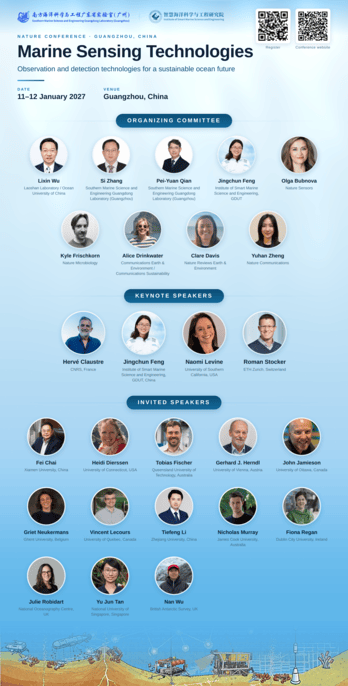
Call for Abstracts: Marine Sensing Technologies Conference
Researchers, engineers, data scientists, and industry innovators are invited to submit abstracts for the Marine Sensing Technologies Conference, a forum dedicated to advancing marine sensing and digital ocean science. The conference will showcase breakthroughs in in situ and remote sensing, autonomous marine robotics, deep-sea observation systems, eco-environmental monitoring, marine methane sensing, and digital ocean modelling.
Submissions addressing sensor calibration and validation, large-scale data integration, and robust technology deployment in extreme or remote marine environments are especially welcome. Join leading experts from academia and industry to share new methods, technologies, and applications shaping the future of ocean observation.
|
|
|
Date:
|
11 - 12 January 2027
|
|
Venue:
|
Guangzhou, China
|
|
|
|
|
|
|
|
|
|
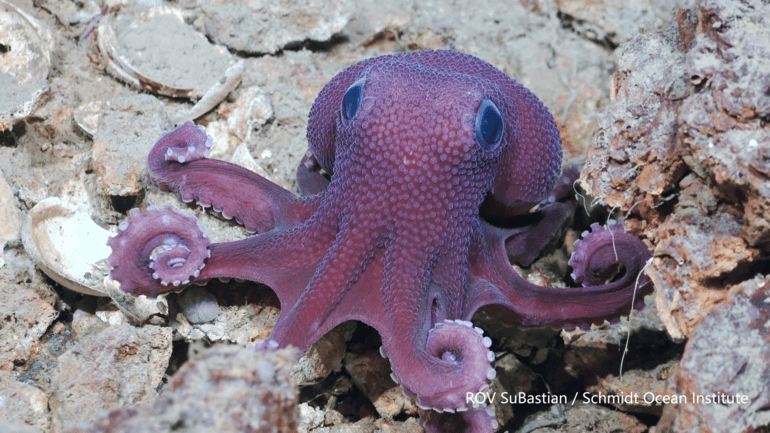
First Caribbean-Led Expedition to Explore Trinidad and Tobago’s Deep Sea Unveils Rich Ecosystems
A locally led Caribbean deep-sea expedition aboard Schmidt Ocean Institute’s R/V Falkor (too) has revealed rich ecosystems around Trinidad and Tobago. Led by Dr. Diva Amon and a largely Trinbagonian science team, the July survey mapped 11,335 km² of previously uncharted seafloor, identified 219 bubble streams, and visually confirmed 25 active cold seep ecosystems using ROV SuBastian. The team also found 20 suspected new species, observed at least 54 species not previously recorded in the country’s waters, and collected over 700 specimens. These findings will support marine governance, conservation planning, and future protected-area efforts.
|
|
|
|
|
|
|
|
|
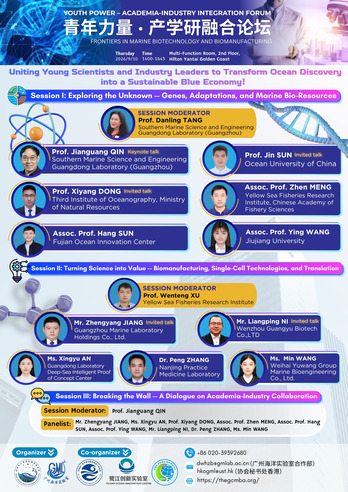
Youth Power – Academia-Industry Integration Forum
A Key Session at the 14th Asia-Pacific Marine Biotechnology Conference (APMBC 2026)
How do we turn ocean discovery into a sustainable blue economy? This forum brings together young scientists and industry pioneers under one shared mission — exploring the frontiers of marine biotechnology and biomanufacturing.
What to expect:
Keynote & invited talks from leading experts on marine genetic resources, antimicrobial peptides, all-female turbot production, and deep-sea microbial discovery
Industry insights on microalgae cultivation, product-oriented innovation, and proof-of-concept translation from lab to market
A cross-sector dialogue featuring academic and industry panelists breaking down the barriers between research and real-world application.
|
|
|
Date:
|
September 10, 2026
|
|
Time:
|
14:00 – 17:30
|
|
Venue:
|
Multi-Function Room, 2nd Floor, Hilton Yantai Golden Coast
|
|
|
|
| Around the World |
|
|
|
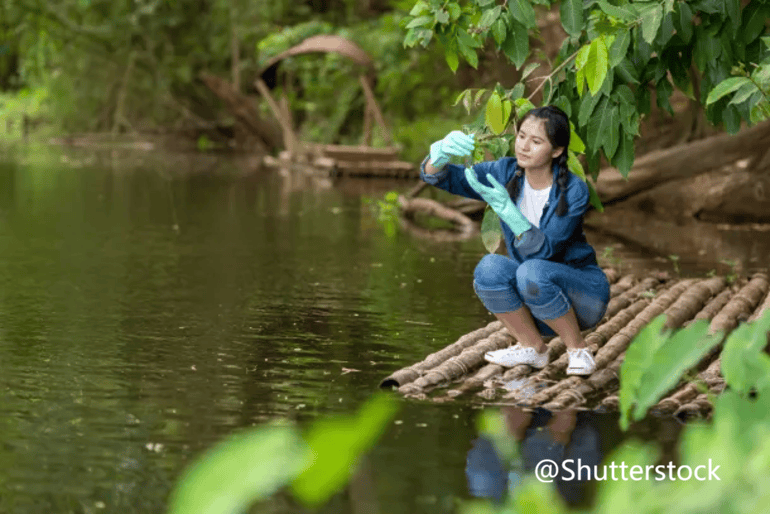
UNESCO warns of persistent global science divides in first Science Decade Global Report
At the opening of the 2026 Global Conference of the International Decade of Sciences for Sustainable Development (IDSSD), UNESCO released new data highlighting both strong scientific mobilization and widening global disparities. The first Global Report documents 397 endorsed initiatives across 79 countries and USD 50 million in mobilized funding supporting all 17 SDGs. However, Africa accounts for less than 10% of initiatives despite representing 17.5% of the world’s population, and many projects cite coordination gaps as a major barrier.
The report calls for structural reforms in research incentives, open science implementation, equitable access, science–policy integration, and responsible governance of emerging technologies.
|
|
|
|
|
|
|
|
|
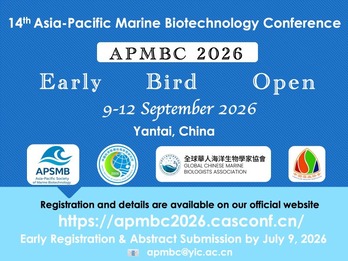
APMBC 2026 calls for registration
The 14th Asia-Pacific Marine Biotechnology Conference will be held from September 9-12, 2026, in Yantai, Shandong Province, China. Under the theme "Marine BioTech for Sustainable Human-Ocean Harmony," APMBC 2026 aims to establish itself as the premier marine biotechnology platform in the Asia-Pacific region, driving innovation, fostering international collaboration, and advancing the sustainable blue economy.
The conference will bring together leading scientists, industry experts, innovators, and policymakers to advance marine biotechnology and the sustainable blue economy. Registration is now open.
|
|
|
Date:
|
Sept 9-12, 2026
|
|
Venue:
|
Yantai, China
|
|
|
|
|
|
|
| Opportunities and Resources |
|
|
|
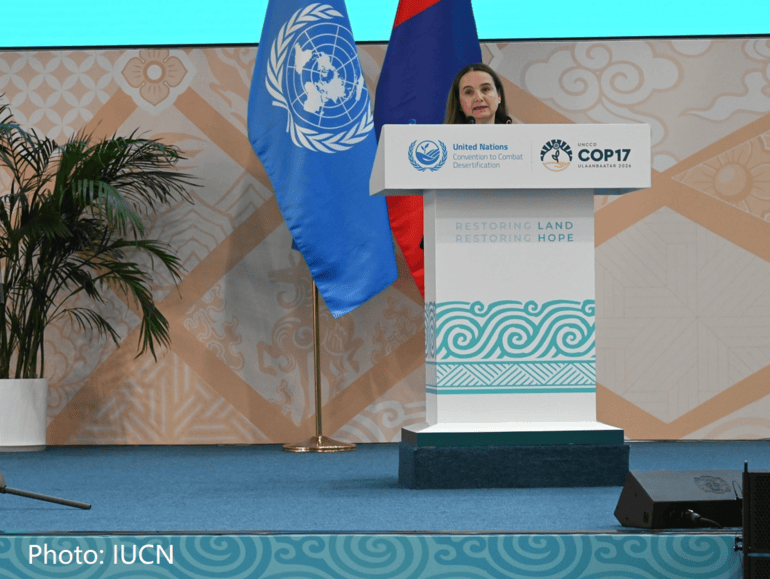
IUCN and UNEP offering USD7.5 million in grants for Ecosystem-based Adaptation projects
Two new funding opportunities have been launched by the Global Ecosystem-based Adaptation (EbA) Fund, an initiative co-led by the International Union for Conservation of Nature (IUCN) and the United Nations Environment Programme (UNEP) and funded through the International Climate Initiative (IKI) of the German Federal Ministry for the Environment, Climate Action, Nature Conservation and Nuclear Safety (BMUKN).
|
|
|
|
|
|
|
|
|
|
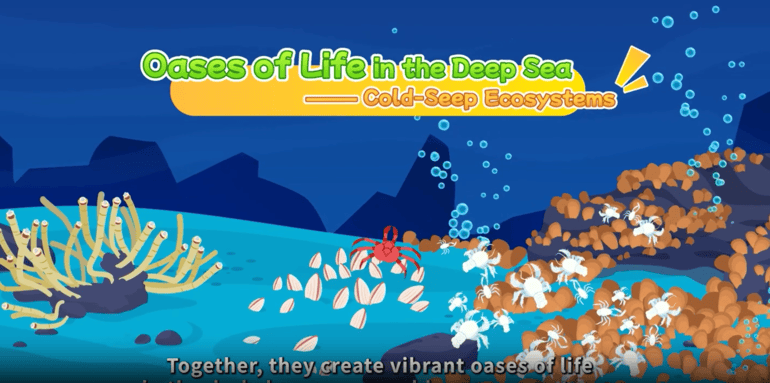
“Decoded Ocean”: Exploring Cold Seep Oases Through Animation
Guangzhou Marine Laboratory has launched Oases of Life in the Deep Sea, an animated series under its “Decoded Ocean” science outreach initiative. Designed to make complex deep-sea science accessible and engaging, the series introduces audiences to the mysteries of cold seep ecosystems and the extraordinary organisms that thrive in these dark, methane-rich environments. By combining scientific accuracy with vivid storytelling, the videos aim to strengthen public understanding of cold seeps and highlight their ecological significance and conservation value.
We warmly invite members of our network to explore and share these educational resources within your communities.
|
|
|
|
|
|
|
|
|
Have an update to share in our next issue — or feedback for us to improve?
Drop us a note at hkogml@ust.hk. Your contributions and insights help shape a stronger, more connected CliMetS/MOCSI community. |
| Copyright © HKUST. All Rights Reserved. Powered by MTPC. |
|
|